
Email: info@saiuniv.org | Call: +91 78290 08000
SAIU in collaboration with Asha The Hope
International Doctorate Programme
Join live weekend sessions from anywhere in the world. Both doctorates are delivered online by Asha The Hope (ATH) with SAIU, and you graduate with a degree supported by both institutions.
Live Weekend Sessions
Classes run every Saturday and Sunday, timed for your region so you can study alongside work.
Online Delivery
Attend from wherever you live. No relocation and no time away from your practice.
Two Specialisations
Choose Holistic Healing & Alternative Therapies, or Art Therapy.
Joint Award
Supervision and quality control are shared by Asha The Hope and SAIU.
Programme Length and Fees
3 yrs
Programme length
60
Credit hours
$197
Per credit hour
$11,820
Total programme fee
60 credit hours at $197 = $11,820, or $3,940 per year over the 3 years.
Weekend Class Schedule by Region
| Region | Time zone | Saturday and Sunday session |
|---|---|---|
| Far East | GMT+8 | 6:30 pm to 9:30 pm |
| India | GMT+5:30 (IST) | 4:00 pm to 7:00 pm |
| Middle East | GMT+4 | 2:30 pm to 5:30 pm |
| Europe | GMT+1 | 11:30 am to 2:30 pm |
| London | GMT | 10:30 am to 1:30 pm |
| South America | GMT-5 | 5:30 am to 8:30 am |
| The Americas | GMT-6 | 4:30 am to 7:30 am |
Times are shown in standard time. Where clocks change for daylight saving (Europe, the UK and the Americas), local session times move one hour later.
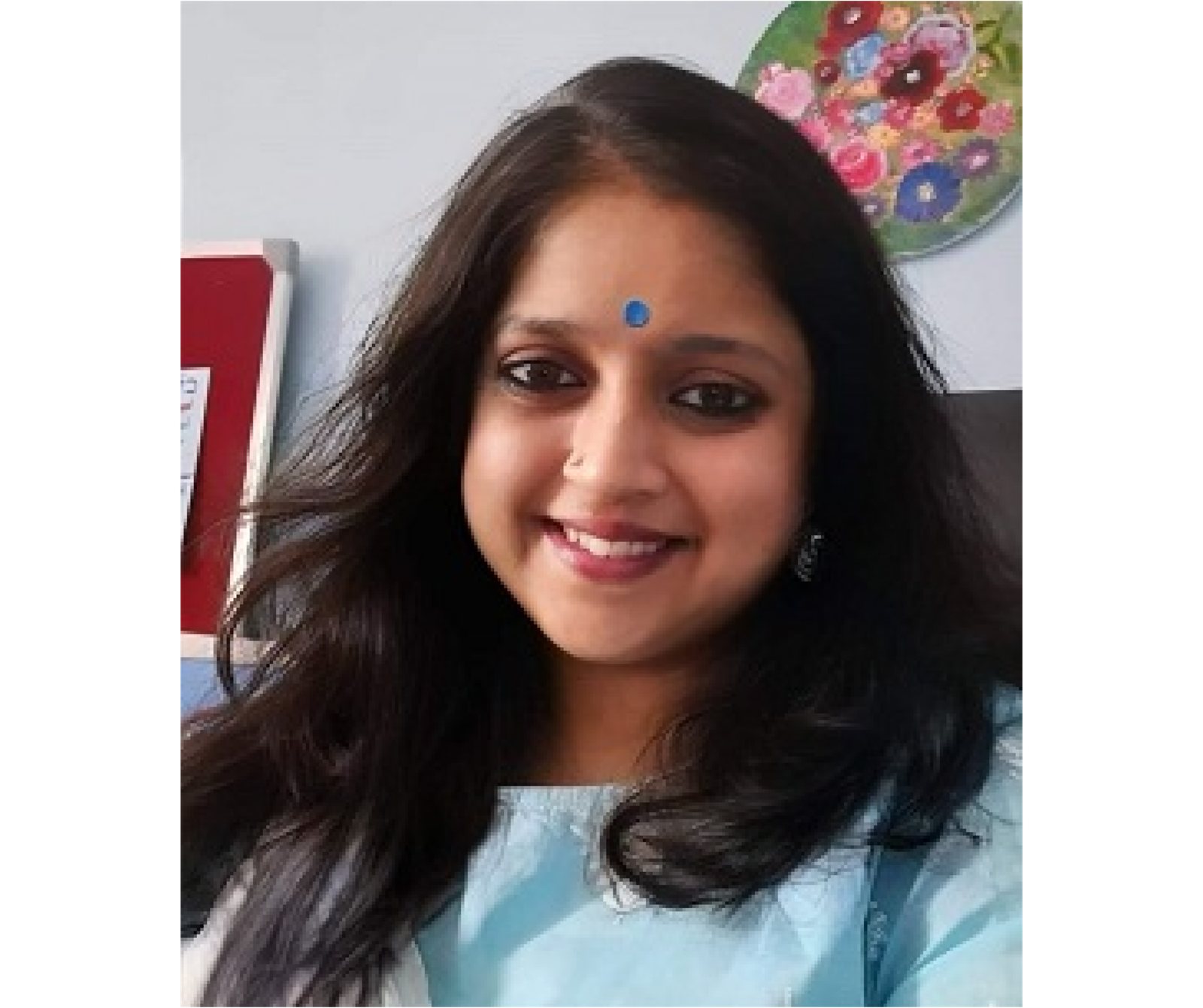
“This initiative truly marks the beginning of something extraordinary. A movement of this scale and vision has the potential to redefine healthcare delivery and wellness education on a global level. Uniting our efforts under this model sets a solid foundation for lasting impact, and we look forward to driving this transformative journey forward together.”
Dr. Asha
Founder, Asha The Hope
Welcome to SAI Twinning Programs
South American International University (SAIU) has established twinning programmes with other institutions of higher learning. A twinning programme is an international collaboration that allows students to complete their postgraduate degrees from two universities, with both institutions jointly providing supervision and quality control. You will be conferred a degree supported by both institutions.
2
Doctorate
Programmes
Programmes
2.5yr
Holistic Healing &
Alt. Therapies
Alt. Therapies
2.5yr
Art Therapy
Programme
Programme
100%
Online / Hybrid
Delivery
Delivery
About Twinning Programs
Many institutions offer twinning programmes in collaboration with other institutions of higher learning. Twinning is a programme offered by one institution in collaboration with a foreign university. It is an international programme which allows students to complete their undergraduate or postgraduate degrees from other universities through distance learning. Institutions jointly provide supervision and develop quality control standards, eventually leading to a degree that is supported by both institutions.
This means that you will be conferred a degree by both institutions although you will be spending most of your time at one of the institutions. The Ministry of Education supports the concept of twinning between its local schools and overseas institutions.
About Asha The Hope (ATH)
SAIU believes that by reaching deep in the Indian culture, we can apply alternate approaches to healing mental disorders and everyday anxieties. This has moved SAIU to partner with Asha the Hope of Bangalore, India, who has developed unique programmes to deal with mental health.
Asha The Hope serves as a transformative learning platform dedicated to inner growth and cultural intelligence enhancement, with a focus on expanding consciousness through self-development. By blending modern, ancient, and Western psychological principles, Asha the Hope forges a deep connection between individuals and their innate wisdom, guiding them on a path of comprehensive development and fulfilment.
At Asha the Hope, Vedic perspectives and learnings are integrated into all educational programmes, incorporating teachings on mindfulness, meditation, and holistic living to provide a comprehensive approach to personal and spiritual development.
CTAA Accredited
SDCC Affiliated
ICPEM Affiliated
ISO 21001:2018 Certified
ISO 9001:2015
Govt. of Karnataka Registered
ATH Team
The Asha The Hope team brings together specialists in clinical psychology, art therapy, counselling, public health, and holistic healing. Each member contributes deep expertise to the twinning doctorate programmes.
Asha The Hope Core Team
Dr. Asha
Founder & Director, Asha the Hope
Visionary force behind Asha the Hope, luminary in cognitive education and holistic wellness. Renowned for mastery of art therapy, emotional counselling and life coaching.
Fuelled by a profound desire to empower individuals toward purposeful living, Dr. Asha has devoted her professional life to fostering self-discovery and personal growth. She stands as a beacon of inspiration in holistic education. With unwavering dedication, Dr. Asha guides countless souls toward self-realisation and holistic well-being, leaving an indelible mark on their transformative journeys.
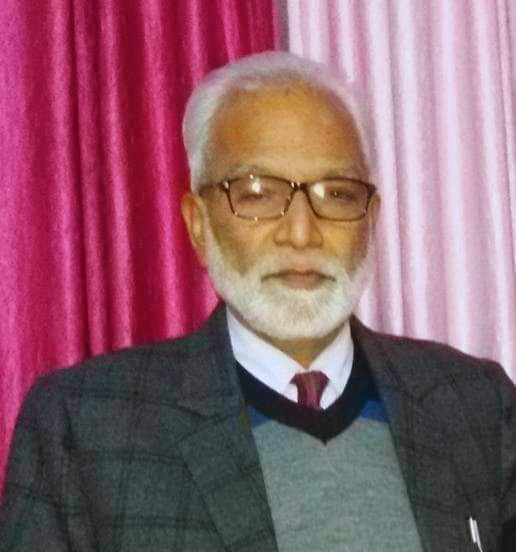
Dr. Krishna Dutt
Clinical Psychologist & Founder, Asmita
Over four decades of expertise in Clinical Psychology. Fellow life member of the Indian Association of Clinical Psychologists and Red Cross Society of India.
Visionary behind Asmita, a sanctuary dedicated to nurturing slow learners and Mental Health Care, he epitomises compassion and unwavering support. A distinguished fellow life member of the Indian Association of Epilepsy, Kabir Peace Mission and the Red Cross Society of India. His extensive accolades and groundbreaking research underscore his relentless dedication to advancing the field. Serving as Guest Faculty at KG’S Medical University Lucknow since April 2014.
Dr. Ganesh Srinivasan
Business Coach & Management Consultant
35-year tenure as business coach and management consultant. Master trainer in Disaster Management, doctorate in Training & Empowerment.
Transformative catalyst and charismatic business coach with extensive experience spanning diverse sectors, adept at navigating start-ups and troubleshooting within the business landscape. With his enchanting motivational techniques, he empowers, inspires, and shapes individuals, fostering accountability, efficiency, and productivity.
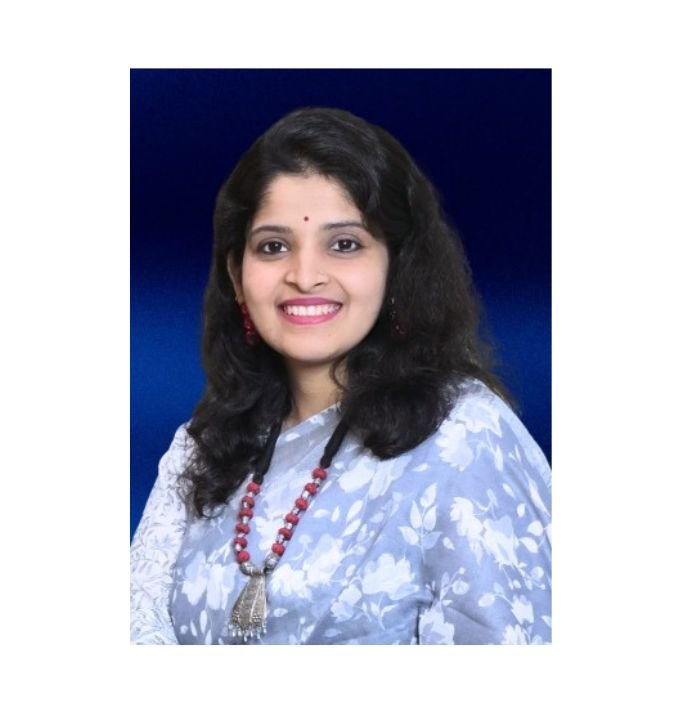
Dr. Deepthi M Pandit
Director Trainer & Department Head
Driven by a deep commitment to advancing mental health awareness and holistic human development, Dr. Deepthi M Pandit has dedicated her professional journey to empowering individuals through psychology, education, and healing.
Through compassionate mentorship, research, and transformative learning experiences, she continues to inspire individuals to cultivate self-awareness, resilience, and purposeful living.
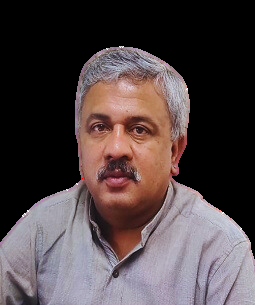
Mr. Girish Bharadwaj
CEO, Asha the Hope
Seasoned leader with strategic acumen and steadfast commitment to holistic education. Propels Asha the Hope to continued growth and influence in transformative learning.
With an unwavering dedication to innovation and excellence, Mr. Girish propels Asha the Hope to unprecedented levels of success and influence. His strategic acumen serves as a catalyst for the institution’s expansion and evolution, keeping Asha the Hope at the forefront of transformative learning and empowering individuals on journeys of self-discovery.
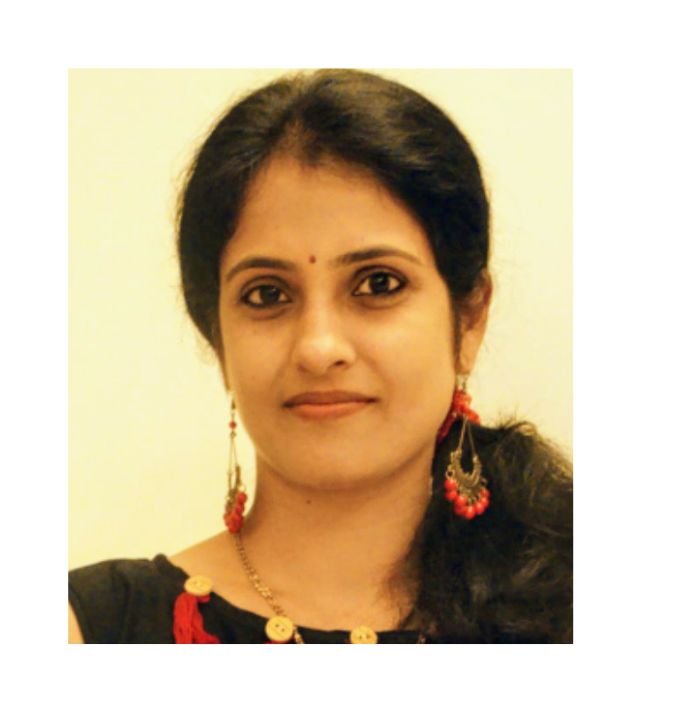
Dr. Ranjini
Psychologist, Career Coach & Regression Therapist
Inspired by a profound desire to guide individuals towards confidence, clarity, and self-discovery, Dr. Ranjini has dedicated her professional journey to counselling, career guidance, and personal transformation.
Through compassionate guidance and a holistic approach to growth, she continues to empower people to realise their strengths and embrace their fullest potential.
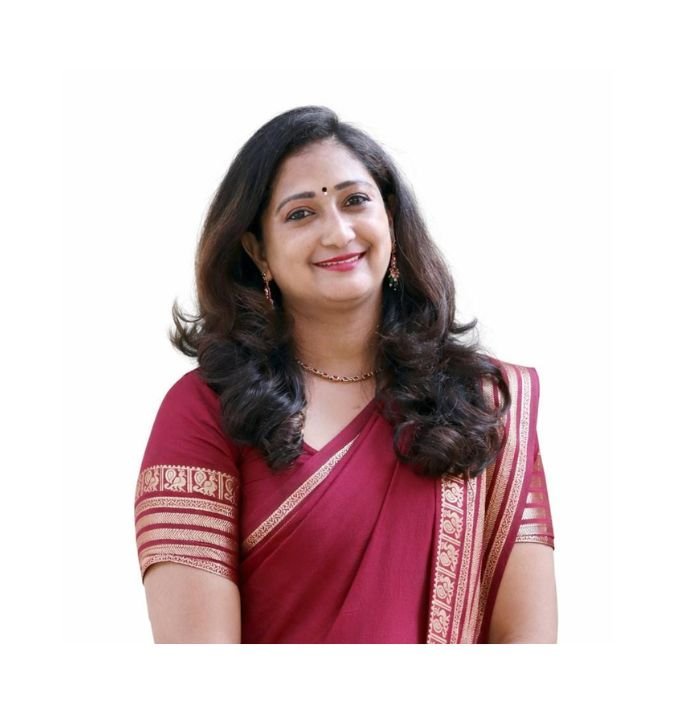
Dr. Swathi V
Art Therapist, Special Educator & Counsellor
Founder of Swathi Special Needs School, an art-based institution. Pioneer in innovative approaches to therapy and education for children with diverse abilities.
Dedicated her life to empowering young minds through the transformative power of art. Swathi Special Needs School embodies her commitment to holistic education, providing a nurturing environment where children with diverse abilities can thrive. She actively engages with the community to raise awareness about art therapy and inclusive education through workshops, seminars, and outreach programmes.
Academic Leadership Team
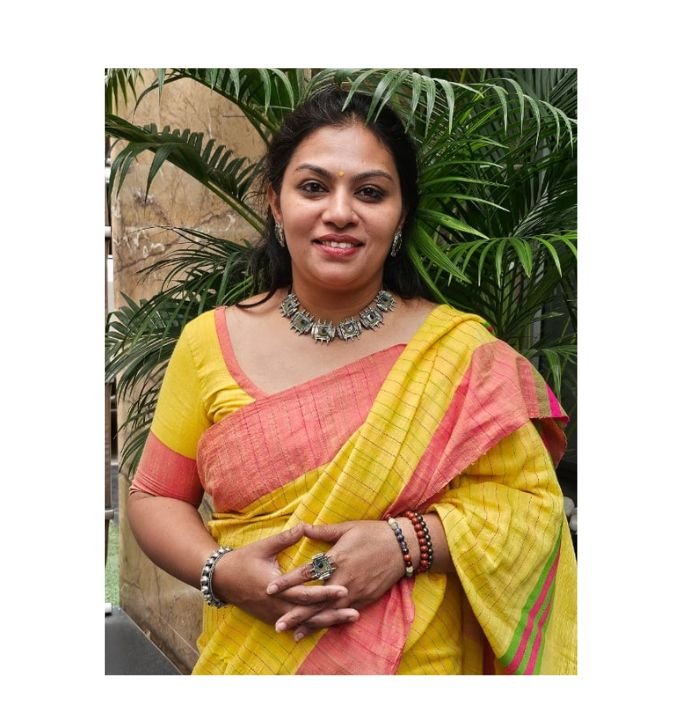
Dr. Nayana Shree Suresh
Chief Executive Examiner
Devoted to strengthening health awareness, disease prevention, and social impact initiatives. A respected voice in public health communication, bridging scientific knowledge with community engagement.
Driven by a profound commitment to public health and community well-being, Dr. Nayana Shree Suresh has devoted her career to empowering individuals and communities to make informed choices for healthier and more meaningful lives. Through her dedication to education, outreach, and advocacy, she continues to champion accessible public health communication across diverse settings.
Dr. Swathi V
Head of Department
Dedicated to advancing special education, behavioural development, and expressive therapeutic practices. A compassionate advocate for neurodivergent individuals and inclusive learning.
Driven by a profound commitment to nurturing the potential of every child, Dr. Swathi V integrates psychology, behavioural science, and art-based interventions to foster holistic growth. Through her unwavering dedication to inclusive learning and emotional well-being, she continues to empower children and families towards confidence, independence, and meaningful transformation.
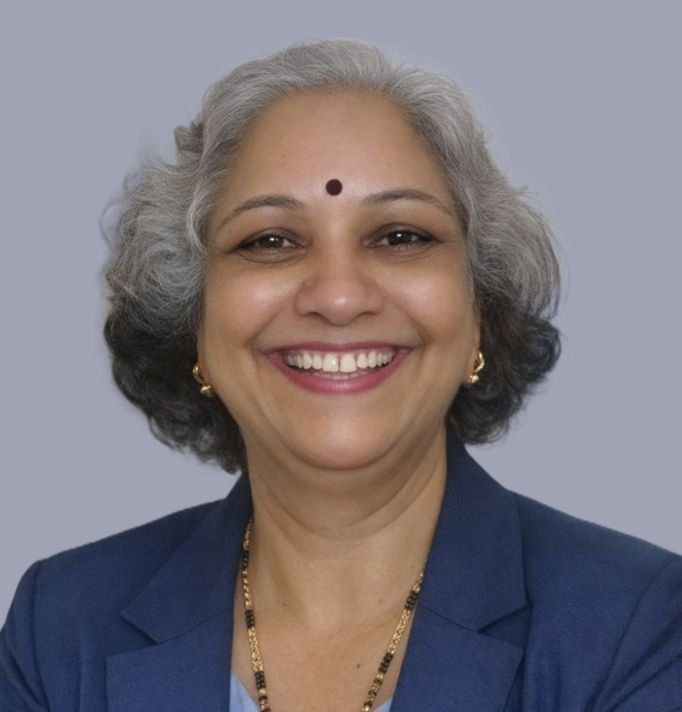
Dr. Archana Umesh Deshpande
Research Head
Committed to empowering individuals through counselling, mentorship, and transformative learning. A respected guide in psychological well-being, fostering resilience, self-awareness, and personal excellence.
Driven by a profound commitment to mental health, education, and human development, Dr. Archana Umesh Deshpande has dedicated her professional journey to compassionate leadership, research, and holistic development initiatives. Through her work across diverse communities, she continues to inspire meaningful growth and lifelong learning.
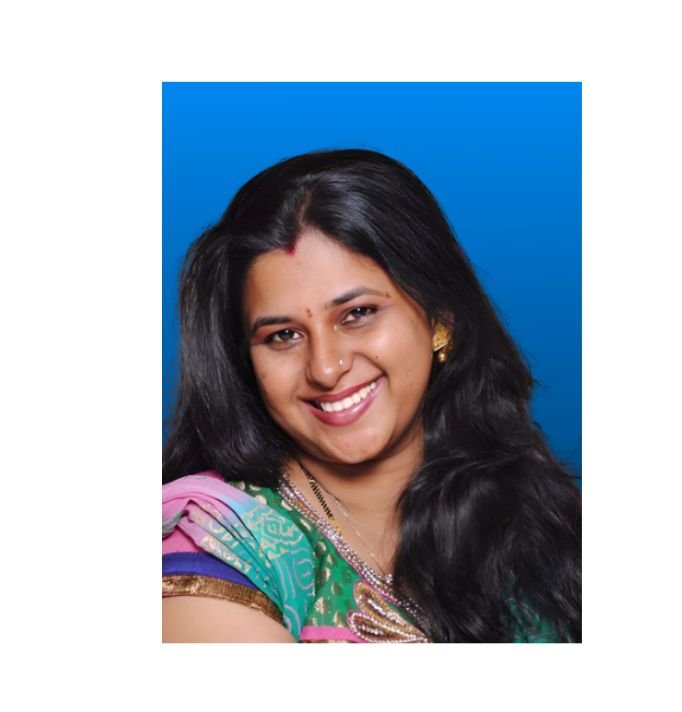
Dr. Shraddha Prasad Kale
Faculty, Academic Leadership
Distinguished contributor to research-informed therapeutic frameworks, bridging contemporary psychology with symbolic and art-based methodologies. Passionate about integrating psychology, creativity, and cultural wisdom.
Inspired by a deep passion for expressive therapies and psychological education, Dr. Shraddha Prasad Kale has devoted her work to developing transformative approaches across scholarly and experiential settings. Through compassionate mentorship and rigorous inquiry, she continues to inspire self-discovery, emotional growth, and holistic well-being.
Mentor and Guide Team
Dr. Swathi V
Mentor and Guide
Integrates psychology, behavioural science, and art-based interventions to support learners. Brings extensive experience in special education and neurodivergent development to her mentoring practice.
Driven by a profound commitment to nurturing the potential of every child, Dr. Swathi V has dedicated her professional journey to advancing inclusive learning and emotional well-being. She continues to empower students and families towards confidence, independence, and meaningful transformation through compassionate guidance.
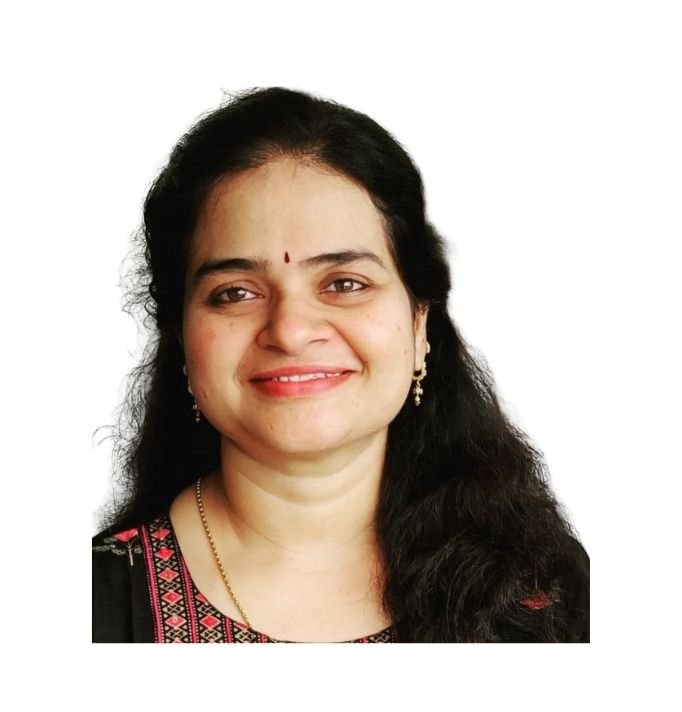
Dr. Neelima V
Mentor and Guide
Devoted to holistic wellness, emotional well-being, and personal transformation. Blends psychology, alternative therapies, and mindful healing approaches to support individual growth.
Inspired by a vision of integrating ancient wisdom with contemporary understanding, Dr. Neelima V has devoted her professional journey to guiding individuals towards balance, resilience, and holistic well-being. Through education, therapeutic interventions, and compassionate mentorship, she continues to empower individuals to cultivate purposeful and grounded lives.
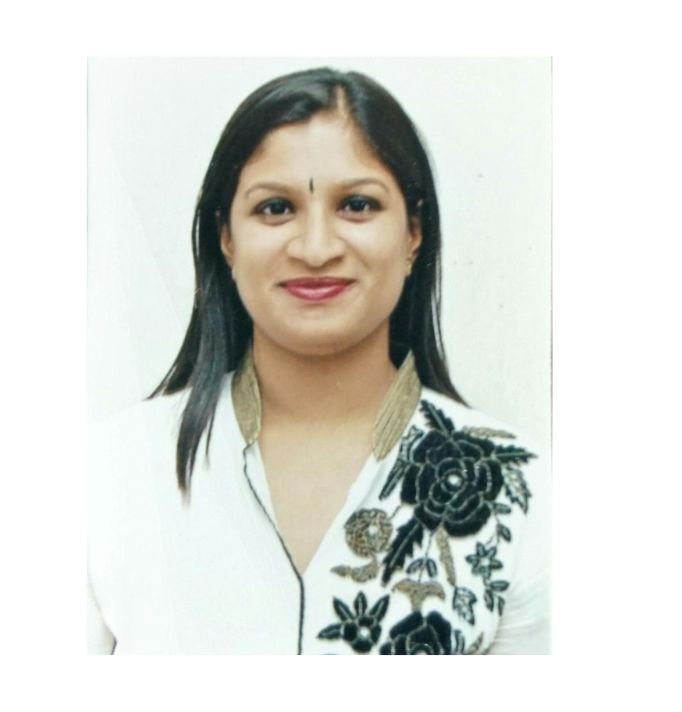
Shraddha Rai
Mentor and Guide
Committed to making mental health support accessible and culturally meaningful. Seamlessly integrates contemporary psychology with Indian knowledge systems to promote personal growth and resilience.
Driven by a profound commitment to emotional wellness, holistic healing, and community empowerment, Shraddha Rai has dedicated her professional journey to counselling, training, and awareness initiatives. She continues to inspire individuals and communities to cultivate self-awareness and purposeful living through her practice.
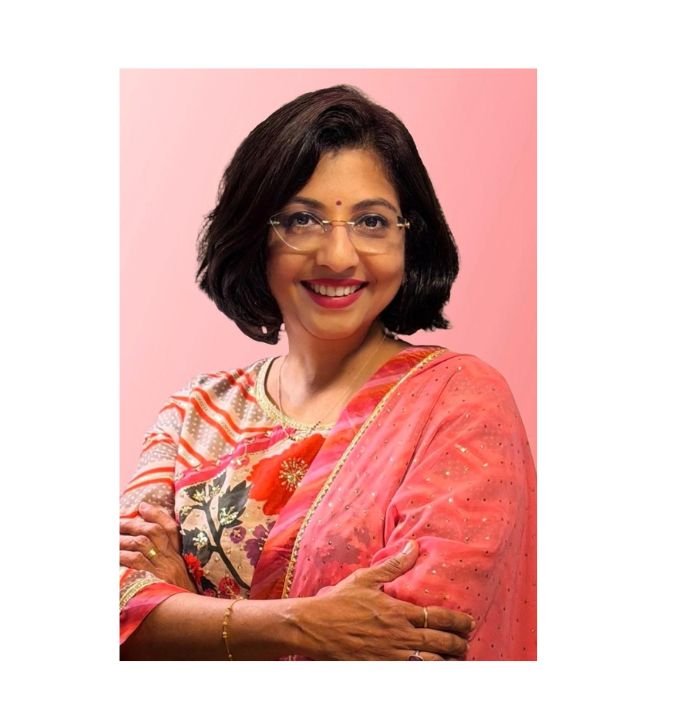
Sonali Joshi
Mentor and Guide
Dedicated to advancing emotional well-being through art-based therapeutic practices. An inspiring force in educational and expressive arts, empowering individuals to discover resilience and self-expression.
Guided by a deep belief in the transformative power of creativity, Sonali Joshi has dedicated her professional journey to enriching lives through innovative programmes and community-focused initiatives. She continues to foster meaningful personal transformation through the language of art and creativity.
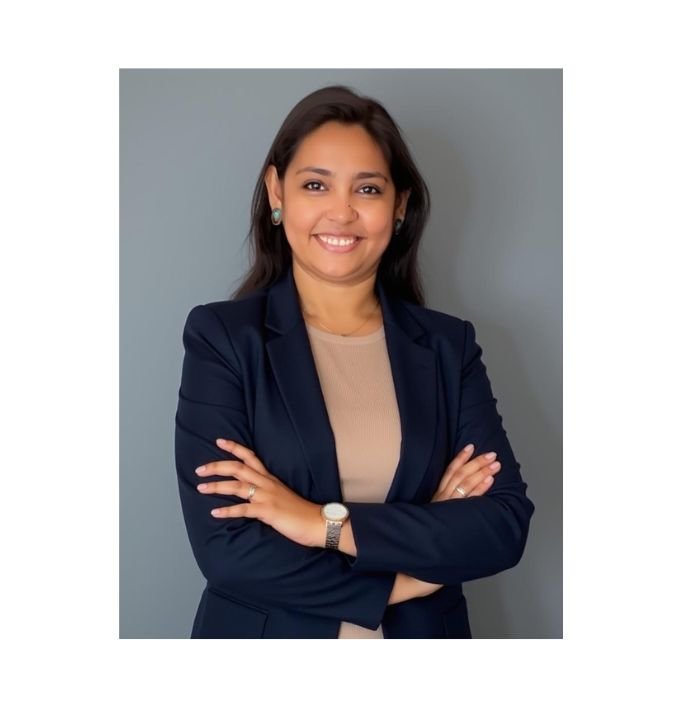
Hemali Shukla
Mentor and Guide
Passionate advocate for art-integrated and social-emotional learning, bridging research with meaningful classroom practice. Committed to empowering educators and learners across diverse environments.
Committed to transforming education through creativity, innovation, and holistic learning, Hemali has devoted her work to professional development and learner-centred approaches. Through her dedication, she continues to inspire educational communities to nurture creativity, emotional intelligence, and lifelong growth.
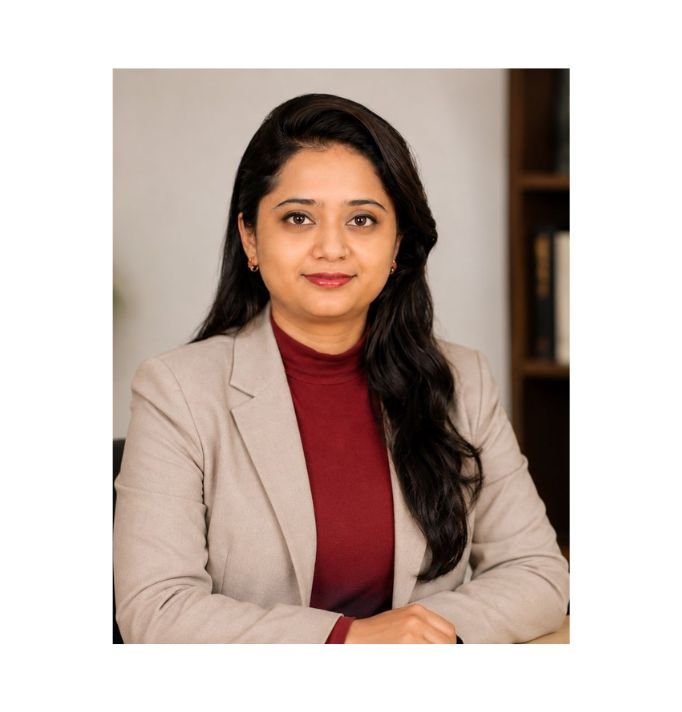
Zia Chauhan
Mentor and Guide
An inspiring practitioner in expressive and therapeutic arts, making healing, creativity, and inner growth accessible to diverse communities through research, education, and art-based interventions.
Guided by a deep commitment to making therapeutic arts a pathway for self-discovery and emotional well-being, Zia Chauhan has dedicated her professional journey to integrating creativity, psychology, and holistic growth. She continues to empower individuals to cultivate resilience, self-awareness, and personal transformation through her work.
Twinning Doctorate Programmes
SAIU and Asha The Hope have entered into a Twinning Agreement offering two joint doctorate programmes. Both are awarded by SAIU in collaboration with Asha The Hope, and are designed for working professionals seeking advanced qualifications in holistic and therapeutic fields.
Doctorate in Holistic Healing & Alternative Therapies
Hybrid Programme – 2 Years 6 Months – Online
A pioneering hybrid doctorate integrating ancient wisdom and modern science across 20 modules of alternative therapy including Mandala Therapy, Chakra Healing, Art Therapy, Mindful Meditation and Aromatherapy, plus a 6-month thesis project.
Inner Child HealingChakra HealingArt TherapyAromatherapySpiritual PsychologyView Full Curriculum ↓
Doctorate in Art Therapy
Hybrid Professional Programme – 2 Years 6 Months
A rigorous professional doctorate combining psychological theory with the creative process of art across 6 semesters covering Foundational, Analytical, Advanced and Art-Based Cognitive Therapy, plus a Research-Based Practicum.
Foundational Art TherapyNeuroscience & ArtABCTPregnancy CareArt HealingView Full Curriculum ↓
Programme Details & Curricula
The Hybrid Doctorate Programme in Holistic Healing & Alternative Therapies integrates Post Graduate Diplomas in Holistic Healing and Alternative Therapies into a single comprehensive curriculum. Offered by Asha the Hope in collaboration with SAIU, the programme is designed for working professionals in the field of wellness and provides a non-clinical approach to holistic healing delivered entirely online.
Course Title
PG Diploma in Holistic Healing + PG Diploma in Alternative Therapies
Duration
2 Years 6 Months (30 months)
Delivery
Online – 1 day/week, 3 hours/class
Eligibility
Masters (any stream) or Graduation + Min. 5 years’ experience
Instructors
Dr. Asha & Deepthi Pandit
Batches
Multiple batches conducted annually
Key Features
Comprehensive Curriculum
Two semesters of 10 modules each, covering a wide range of alternative therapies for mind, body, and soul.
Non-Clinical Approach
Focuses on holistic healing practices that do not require clinical settings, making it accessible to a broader audience.
Hybrid Learning Model
Combines online learning with weekly mentoring sessions, giving students access to a dedicated mentor throughout the programme.
Weekly Assessments
MCQs and research-based assignments each week to reinforce learning and encourage critical thinking.
Course Objectives
- Provide a comprehensive understanding of holistic healing principles and practices
- Develop essential counselling skills for effective therapeutic communication
- Explore various alternative therapy modalities and their applications in holistic healing
- Foster self-awareness and personal growth through experiential learning
- Prepare students for professional practice in holistic healing and alternative therapy fields
Method of Assessment
Classroom Participation & Quizzes
Session Discussions
Practical / Viva Tests
Group / Team Work
Monthly Project / Assignment Submission
Course Outline – Month by Month
| Month | Topic | Session Details |
|---|---|---|
| Semester 1 | ||
| Month 01 | Inner Child Healing | Introduction to inner child healing techniques and practices |
| Month 02 | Spiritual Psychology | Exploring the intersection of spirituality and psychology for holistic healing |
| Month 03 | Counselling Skills | Developing fundamental counselling skills for effective therapeutic communication |
| Month 04 | Chakra Healing | Understanding the chakra system and its role in holistic healing |
| Month 05 | Mindful Meditation | Practising mindful meditation techniques for mental and emotional well-being |
| Month 06 | Garbha Sanskar / Touch Therapy | Exploring the concept of Garbha Sanskar and the healing power of touch therapy |
| Month 07 | Art Therapy | Introduction to art therapy techniques for self-expression and healing |
| Month 08 | Food Therapy | Understanding the therapeutic benefits of food and nutrition for overall health |
| Month 09 | Mandala Therapy | Exploring mandala therapy as a tool for self-discovery and healing |
| Month 10 | Aromatherapy | Learning about the therapeutic uses of essential oils in aromatherapy |
| Semester 2 | ||
| Month 11 | Inner Child Healing | Advanced techniques in inner child healing and integration |
| Month 12 | Spiritual Psychology | Deepening understanding of spiritual psychology principles and practices |
| Month 13 | Counselling Skills | Advanced counselling skills development and application in therapeutic settings |
| Month 14 | Chakra Healing | Advanced chakra healing techniques for balancing energy centres |
| Month 15 | Mindful Meditation | Advanced mindfulness meditation practices for deeper awareness and presence |
| Month 16 | Garbha Sanskar / Touch Therapy | Advanced techniques in Garbha Sanskar and touch therapy for holistic healing |
| Month 17 | Art Therapy | Advanced art therapy interventions for emotional processing and transformation |
| Month 18 | Food Therapy | Advanced exploration of food therapy principles and practices for healing |
| Month 19 | Mandala Therapy | Advanced mandala therapy techniques for spiritual and psychological integration |
| Month 20 | Aromatherapy | Advanced applications of aromatherapy for physical, emotional, and mental well-being |
| Thesis / Research Project | ||
| Month 21 | Research Topic Selection & Synopsis | Brainstorming sessions, research topic presentations, synopsis writing workshops |
| Month 22 | Literature Review | Literature review seminars, citation management workshops, research databases exploration |
| Month 23 | Data Collection & Analysis | Data collection methodologies workshops, statistical analysis seminars, data interpretation sessions |
| Month 24 | Thesis Writing & Submission Draft | Thesis writing workshops, peer review sessions, draft submission and supervisor feedback |
| Month 25 | Thesis Revision & Final Submission | Incorporating supervisor feedback, final revisions, formatting and submission preparation |
| Month 26 | Viva Voce & Completion | Viva voce examination, final defence of research findings and award of doctorate |
Grading System
| Grade | Percentage | Remark |
|---|---|---|
| A | 80 and Above | Distinction |
| B | 60–79 | First Class |
| C | 50–59 | Second Class |
| D | 40–49 | Third Class |
| F | Below 40 | Reattempt |
In the realm of mental health, where words often fall short, art therapy emerges as a profound tool for expression, understanding, and healing. This Hybrid Professional Doctorate combines rigorous academic inquiry with creative expression and clinical practice, equipping students with the knowledge, skills, and passion to make meaningful contributions to the field of mental health. The programme spans 6 taught semesters of 4 months each, plus a research-based practicum running parallel to each semester.
Programme Title
Hybrid Professional Doctorate in Art Therapy
Duration
2 Years 6 Months
Delivery
Hybrid (Online + Practicum)
Structure
6 Taught Semesters + Research Practicum (1 month/semester)
Twinning Partner
Asha the Hope, Bangalore, India
Awarded By
SAIU & Asha the Hope (joint)
Semester 1 (4 Months) – Foundational Art Therapy
| # | Module | Key Topics |
|---|---|---|
| 1 | Introduction to Art Therapy | Definition and history; theoretical foundations (psychoanalytic, humanistic, CBT); ethical considerations and professional standards |
| 2 | Psychology of Creativity | Creativity and its role in therapy; theories of creativity (divergent thinking, flow theory); exploring creativity through artistic expression |
| 3 | Artistic Media and Techniques | Art in child development; developmental stages and milestones; using art to address developmental challenges |
| 4 | Art Therapy in Practice | Applying techniques in counselling settings; case conceptualisation and treatment planning; documentation and evaluation of therapeutic progress |
| P1 | Capstone Project | Integrating knowledge and skills acquired throughout the semester |
Semester 2 (4 Months) – Analytical Art Therapy
| # | Module | Key Topics |
|---|---|---|
| 1 | Introduction to Assessment in Art Therapy | Assessment principles; role in treatment planning; ethical considerations and confidentiality |
| 2 | Art-Based Assessment Techniques | 12 assessment tools including clinical psychoanalytic; D-A-T, Kinetic Family Drawing, House-Tree-Person; integrating with diagnostic criteria |
| 3 | Diagnostic Criteria and Classification Systems | Major mental health disorders (DSM-5); limitations of diagnostic classification; informing treatment planning |
| 4 | Art-Based Diagnosis and Formulation | Formulating diagnostic impressions; integrating psychological theories; presenting findings ethically |
| P1 | Capstone Project | Documentation and record keeping; legal and ethical considerations; writing clear and objective assessment reports |
Semester 3 (4 Months) – Advanced Art Therapy
| # | Module | Key Topics |
|---|---|---|
| 1 | Art Therapy and Neuroscience | Neurobiological basis of art therapy; brain function and creativity; applying neuroscientific findings to interventions |
| 2 | Depth Psychology and Art | Jungian and psychodynamic theories; symbols and archetypes in art therapy; deepening therapeutic work |
| 3 | Advanced Group Art Therapy | Advanced group dynamics; specialised groups (trauma recovery, grief and loss, addiction); integrating with psychodrama and mindfulness |
| 4 | Art Therapy in the Digital World | Digital art-making tools (Adobe Photoshop, Procreate); hands-on digital techniques; adapting digital tools to client needs |
| P1 | Capstone Project | Independent research or creative project demonstrating advanced art therapy skills |
Semester 4 (4 Months) – Art-Based Cognitive Therapy (ABCT)
| # | Module | Key Topics |
|---|---|---|
| 1 | Introduction to ABCT | Integration of cognitive therapy and expressive arts; theoretical foundations and principles; ethical guidelines for ABCT |
| 2 | Cognitive Distortions and Art Therapy | Identifying cognitive distortions; artistic expression to challenge and reframe; connecting thoughts, emotions and art-making |
| 3 | Cognitive Restructuring Through Art | Cognitive restructuring techniques; using art to challenge negative thought patterns; promoting cognitive flexibility through artistic expression |
| 4 | Mindfulness and ABCT | Incorporating mindfulness into ABCT; art-making as mindfulness tool; cultivating non-judgmental observation through creative expression |
| P1 | Capstone Project | Designing and implementing an original ABCT intervention or programme |
Semester 5 (4 Months) – Art Therapy in Pregnancy Care
| # | Module | Key Topics |
|---|---|---|
| 1 | Introduction to Art Therapy in Pregnancy Care | Role of art therapy in supporting emotional health during pregnancy; unique prenatal and postnatal needs; ethical considerations |
| 2 | Pregnancy and Emotional Health | Emotional changes and challenges; anxiety, depression and perinatal mood disorders; prenatal bonding and attachment |
| 3 | Exploring Pregnancy Experiences Through Art | Physical and emotional experiences of pregnancy; body image and identity through art; addressing fears and hopes related to childbirth |
| 4 | Group Art Therapy in Pregnancy Care | Group dynamics for pregnant individuals; facilitating peer support and connection; creating safe spaces for sharing experiences |
| P1 | Capstone Project | Designing and implementing an original art therapy programme or intervention for pregnancy care |
Semester 6 (4 Months) – Art Healing
| # | Module | Key Topics |
|---|---|---|
| 1 | Introduction to Art Healing | Concept of art healing and roots in expressive therapies; art in promoting emotional well-being; ethical guidelines |
| 2 | Theoretical Foundations | Humanistic, psychodynamic and existential frameworks; symbolic expression, catharsis and the unconscious; integrating psychology, art therapy and spirituality |
| 3 | Healing Trauma Through Art | Impact of trauma on mind and body; art-based interventions for processing trauma; creating safe spaces for trauma survivors |
| 4 | Art Journaling and Narrative Therapy | Art journaling as therapeutic practice; narrative therapy techniques; storytelling and metaphor to explore personal narratives |
| P1 | Capstone Project – Group Art Healing | Dynamics of group therapy and community art-making; facilitating group art healing sessions; creating supportive environments for collective healing |
Research-Based Practicum (1 Month per Semester)
| Semester | Practicum Topic | Key Content |
|---|---|---|
| Sem 1 | Introduction to Research in Art Therapy | Role of research in advancing art therapy; qualitative, quantitative and mixed methods; ethical considerations |
| Sem 2 | Formulating Research Questions & Literature Review | Identifying and refining research questions; conducting thorough literature reviews; critical appraisal and identifying gaps |
| Sem 3 | Research Design, Methodology & Data Collection | Research designs (case study, survey, experimental); sampling and recruitment; data collection tools and protocols |
| Sem 4 | Qualitative & Quantitative Data Analysis | Thematic, content and narrative analysis; statistical methods (SPSS, R); interpreting and reporting findings |
| Sem 5 | Mixed Methods Research & Writing Up Findings | Integrating qualitative and quantitative approaches; structuring research manuscripts; presenting at conferences |
| Sem 6 | Advanced Research Topics & Ethics | Current trends in art therapy research; guest speakers; ethical guidelines, informed consent and participant protection |
Note: The Hybrid Professional Doctorate in Art Therapy represents a transformative journey combining rigorous academic inquiry with creative expression and clinical practice. As the demand for holistic and person-centred approaches to therapy continues to grow, this doctorate equips students to make meaningful contributions to the field of mental health.