Email: info@saiuniv.org | Call: +91 78290 08000

About Us
Our Story
History of South American International University
SAIU traces its origins to a vision of integrated, hospital-based medical education — combining the richness of Caribbean and South American culture with the rigour of US and European medical standards.
Post WWII – Early 2000s
The Caribbean Medical School Movement
After the Second World War there was an acute shortage of physicians in North America and Europe. Medical schools began establishing in the Caribbean, creating alternate pathways for medical students to enter the North American market. By the start of the 21st century, Caribbean medical schools had become a common and accepted phenomenon.
Caribbean islands, being small economies, could not support hospital-attached medical schools. Instead, students completed their Basic Sciences on the Caribbean island and transferred elsewhere for Clinical Medicine — a model that became widely accepted.
2001 – 2003 | Curaçao
The Curaçao Chapter
Curaçao, the largest island and capital of the Dutch Caribbean, chose not to allow an international medical school to establish until 2001. At that time Mr. Jayantkumar Daryanani, an established business entrepreneur, had helped the government revive the economy and the inner city of Willemstad. The government issued an exclusive Charter to Mr. Daryanani to establish a medical school of high standing.
Mr. Daryanani purchased a historic property from the Catholic Church — the site of the first school of the Dutch Caribbean, established in 1863, recognised by UNESCO as a world heritage site. He restored it and set up the first medical school in Curaçao. What began as St. Martinus College transformed into St. Martinus University, and in 2003 the first medical school opened its doors. Within a few years, its students sat the USMLE and scored exceptionally well.
19th Century Roots | Paramaribo, Suriname
St. Vincentius Hospital – Over a Century of Healthcare
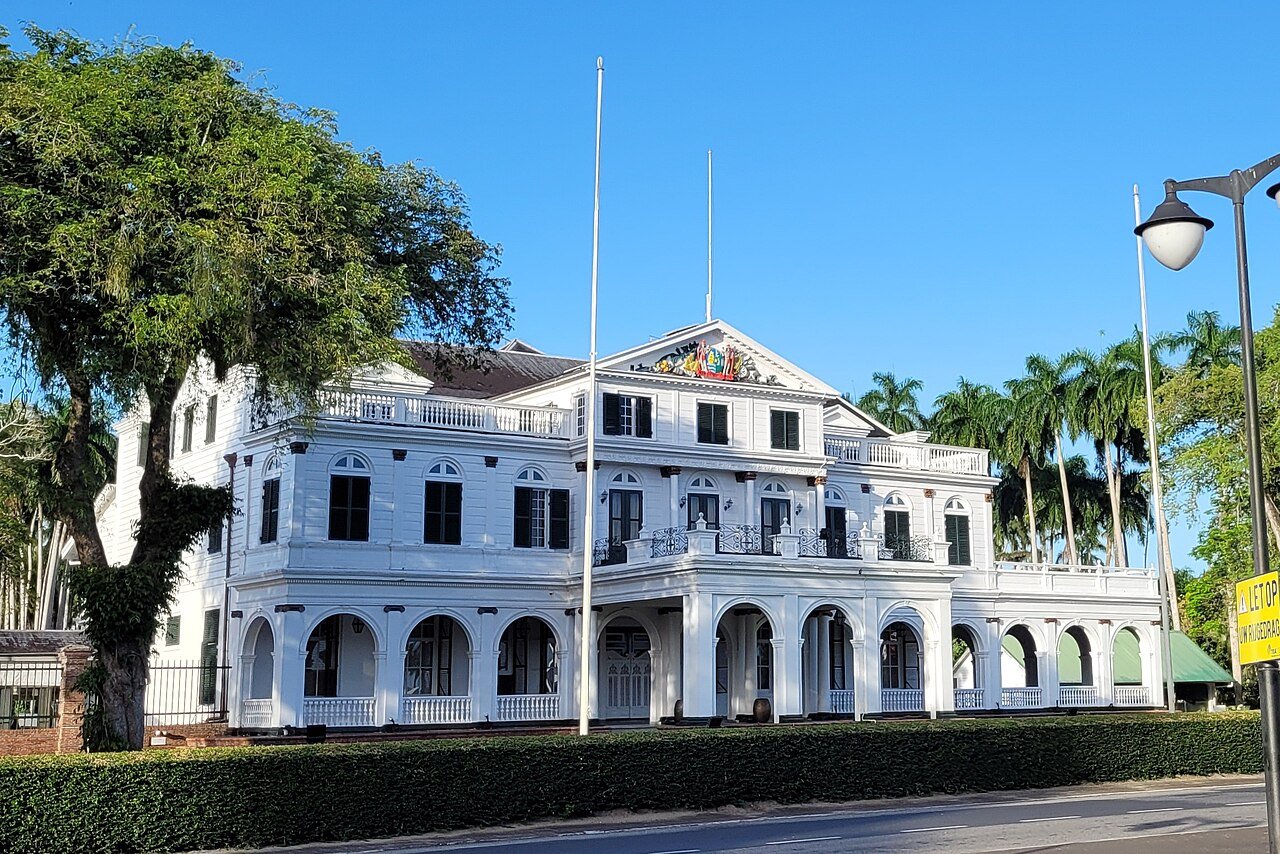
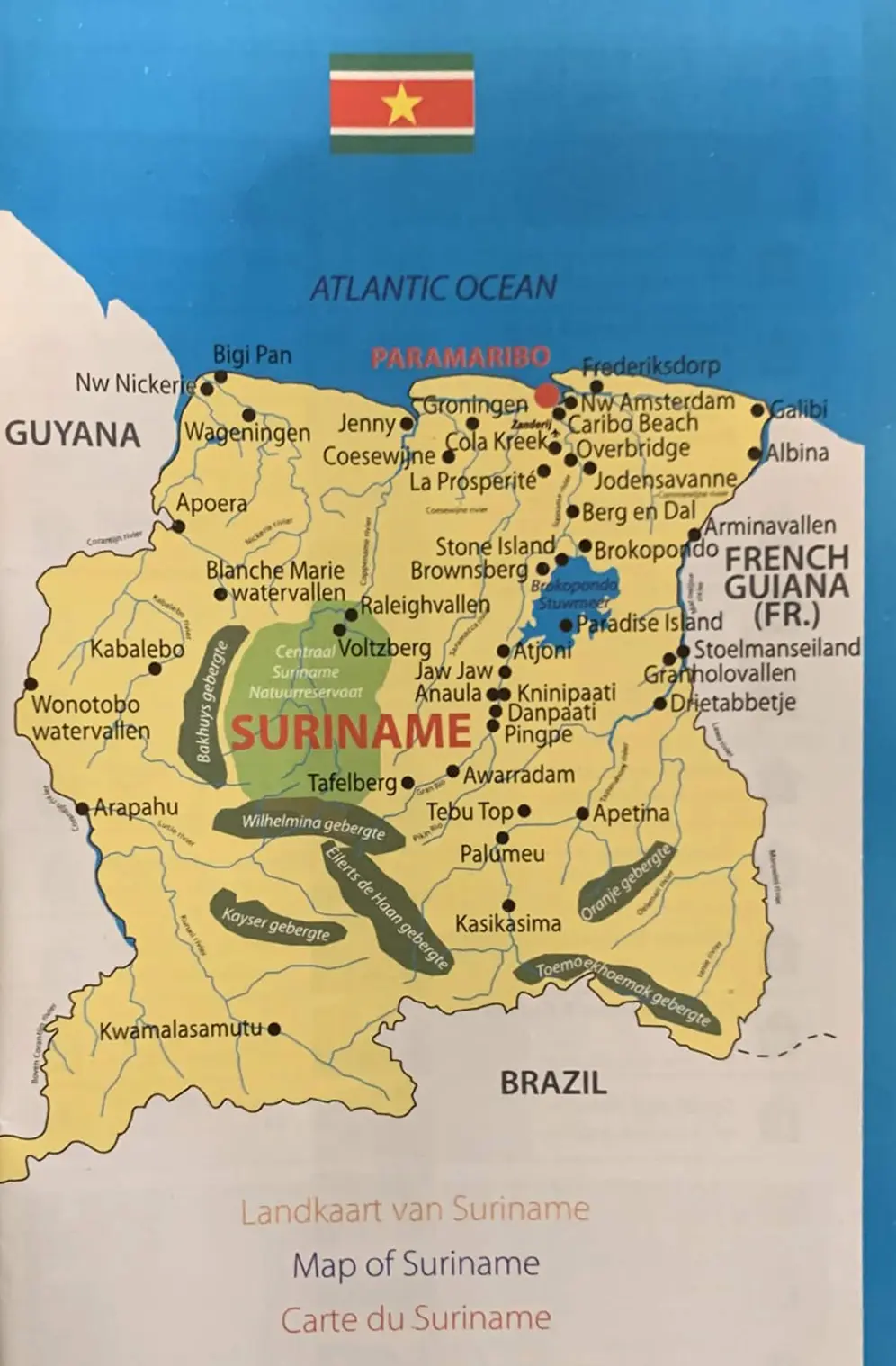
Suriname, a country nestled between British and French Guiana on the north coast of South America, was a Dutch colony until 1976. The Roman Catholic mission had been involved in healthcare in Suriname since the 19th century, primarily through the Sisters of Charity from Tilburg.
The St. Vincentius Hospital was built on 19 July 1916 under the inspiring leadership of the Sisters of Charity. The original hospital had 70 beds. It grew in reputation, expanded to 200 beds in the 1950s, and by 1974 had grown to 300 beds. In 1974, management was transferred to the St. Vincentius Hospital Foundation, placing the hospital entirely in Surinamese hands.
2019 | Paramaribo, Suriname
SAIU is Established at St. Vincentius Hospital
Having heard of Mr. Daryanani’s success in Curaçao, the management of St. Vincentius Hospital (SVZ) reached out to him to replicate that model in Suriname. Mr. Daryanani immediately recognised the potential of having the medical school attached to the hospital, enabling a more traditional form of medical education.
Part of the historic hospital property was transformed into a medical school. The Government of Suriname issued a Charter to SAIU on 1 July 2019, granting authority to teach medicine, postgraduate specialisations, and award degrees of Bachelor of Sciences, Master of Sciences and Doctor of Medicine.
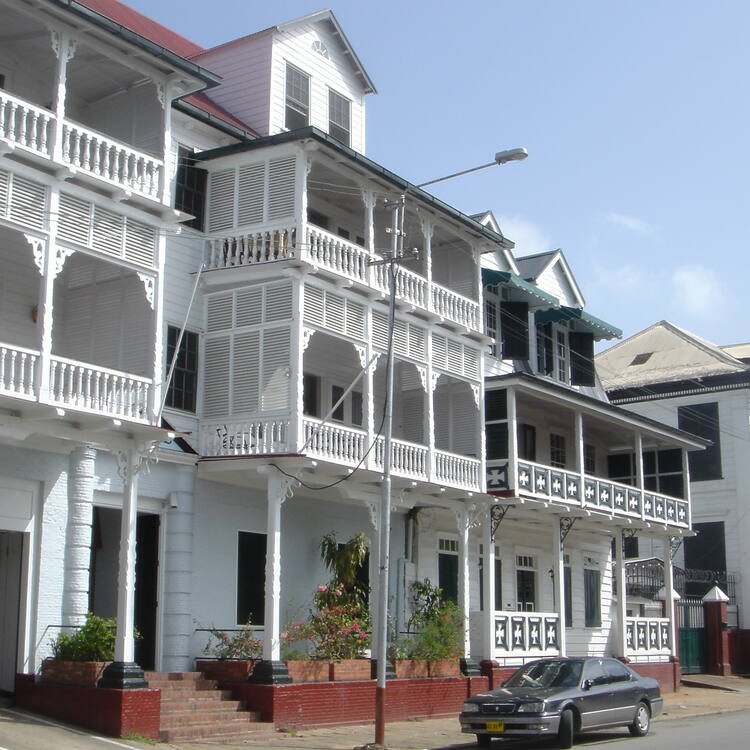
Suriname & St. Vincentius Hospital
Why SAIU is Different
Hospital-Integrated from Day One
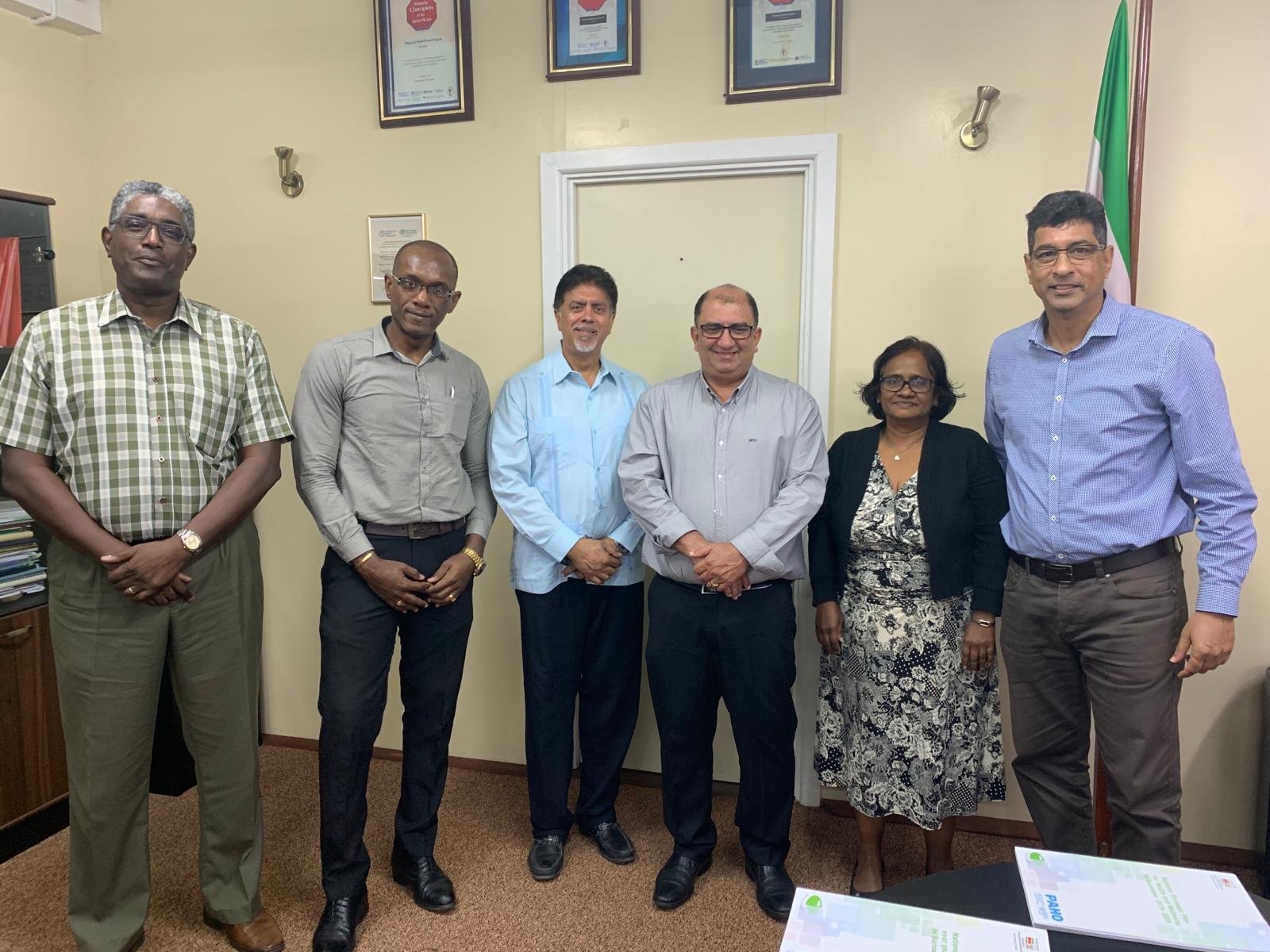
Unlike other Caribbean medical schools, SAIU is physically located within the St. Vincentius Hospital in Paramaribo, Suriname. This gives it significant advantages that set it apart:
- SAIU has a dedicated hospital (SVZ) where students can complete the Clinical Medicine portion of the programme without leaving campus.
- SAIU has Post Graduates completing their specialisation at SVZ, enabling the medical programme to follow the more traditional form of medical education alongside active specialists.
- Students make regular rounds in the hospital from the very first year of medical school, gaining early clinical exposure that builds confidence and professional readiness.
- Medical education at SAIU conforms with both North American and European standards.
- The SVZ property is recognised as a historic site, providing students with a meaningful and culturally rich educational environment.
Government Charter
WHO Notification
Foundation Registry
ECFMG Recognised
USMLE Eligible
ERAS Eligible
Notification of the charter has been provided to the World Directory of Medical Schools and to the Educational Commission for Foreign Medical Graduates (ECFMG). This recognition makes SAIU students eligible to take the United States Medical Licensing Examinations (USMLE), to participate in medical residency training through ERAS, and to apply for a licence in the United States, subject to licensing board regulations. ECFMG Certification is a requirement for international medical graduates seeking a licence to practice medicine in the USA and Canada.
Official Documents
Recognising Bodies
Government of Suriname
Ministry of Public HealthThe Government of Suriname, Ministry of Public Health, by granting a charter to South American International University allows our faculty to teach the art and science of medicine and other subjects pertaining to healthcare, and allows our university to operate an educational institution in Suriname.
The Charter came into force on 1 July 2019 and was signed by Mr. Antoine Elias, Minister of Health for the Government of the Republic of Suriname.

Chamber of Commerce & Industry
Curaçao, Dutch CaribbeanThe Chamber of Commerce and Industry is a semi-governmental body in Curaçao, Dutch Caribbean, that maintains the registry of all commercial enterprises, foundations and trusts. The South American International University Foundation (SAIUF), the holding entity of all SAIU institutions, has been registered at the Curaçao Chamber of Commerce.
Kaya Junior Salas 1, P.O. Box 10, Willemstad, Curaçao
registry@curacao-chamber.cw
curacao-chamber.cw

World Health Organization (WHO)
Geneva, SwitzerlandThe World Health Organization (WHO) is a specialised agency of the United Nations that acts as a coordinating authority on international medical education. The WHO was notified by the Government of Suriname about SAIU’s charter and will include our school in the World Directory of Medical Schools.

ECFMG
Educational Commission for Foreign Medical GraduatesAn international medical school is now required to be recognised by IMED (a division of ECFMG) in order for its students and graduates to apply and sit for the USMLE. ECFMG Certification is required of all international medical graduates to start medical residency training in the United States.
USMLE
United States Medical Licensing ExaminationThe USMLE is a multi-part professional exam sponsored by the Federation of State Medical Boards (FSMB) and the National Board of Medical Examiners (NBME). All three steps must be passed before an MD graduate is eligible to apply for a licence to practice medicine in the United States. SAIU has addressed all requirements of ECFMG and obtained permission for its students to sit the USMLE.
3750 Market Street, Philadelphia, PA 19104-3190
www.usmle.org
FSMB
Federation of State Medical BoardsThe Federation of State Medical Boards (FSMB) is a national not-for-profit organisation representing the 70 medical boards of the United States and its territories. The FSMB sets standards for the licensing and discipline of physicians and co-sponsors the USMLE examination with the NBME.
PO Box 619850, Dallas, TX 75261-9850
www.fsmb.org
Our Purpose
Mission & Vision Statement
SAIU is guided by a clear commitment to producing caring, skilled and globally capable health professionals who combine academic excellence with human compassion.
“Strive for Excellence in everything you do.”
Our Mission
To advance knowledge in the health sciences by applying an integrative approach to healthcare education and research, and to provide a globally recognised medical education and training curriculum that produces caring physicians with a broad range of professional skills and judgement.
Our Vision
To prepare future health professionals that are capable of using their professional skills and judgement in a global environment, while ensuring the intellectual development of our students in order to create motivated, confident and caring health professionals.
Our Core Pillars
Academic Excellence
Rigorous curricula aligned with North American and European medical education standards.
Clinical Integration
Students train within a real hospital environment from year one, building clinical confidence early.
Global Pathways
Opportunities across Suriname, the Caribbean, India, the US and Europe for clinical training.
Our Leadership
University Administration
SAIU is guided by an experienced leadership team combining medical expertise, academic leadership and institutional management across our campuses in Suriname, Curaçao and India.
Administration & Faculty Leadership
| Name & Qualifications | Position |
|---|---|
| J.K.P. Daryanani, BSc., MBA | Chairman and CEO CEO |
| J.M. Parbhoo, M.D. | Executive Dean Dean |
| D. Nandwani, C.A. | CFO |
| I. Melwani, BSc. | Registrar |
| M. Blokland, M.D. | Director of Clinical Medicine |
| J. Romer, M.D., Ph.D. | Dean of Basic Sciences Dean |
| K. Berend, M.D., Ph.D. | Dean of Clinical Medicine Dean |
| M. Hegde, M.D. | Dean of Post Graduate Studies Dean |
| C.M. Poornima, DDS | Dean of Undergraduate Sciences Dean |
| M. A. Moron, MSc. | Associate Dean of Student Affairs |
| S. Chacko, DDS. | Associate Dean of Academic Affairs |
| P. Daryanani, BSc. | Director of Facilities & Technology |
Campus Locations
Medical School Campus
St. Vincentius Hospital
Koninginnestraat 4
Paramaribo, Suriname
suriname@saiuniv.org
Paramaribo, Suriname
Administrative Offices
Blue Business Center
Suite D-1, Neptunusweg 16
Willemstad, Curaçao
info@saiuniv.org
Willemstad, Curaçao
SAICHS Admissions – India
Manipal Center, Bangalore
No S-303, 3rd Floor
Dickenson Road, Bangalore 560001
admissions@saiuniv.org
Dickenson Road, Bangalore 560001